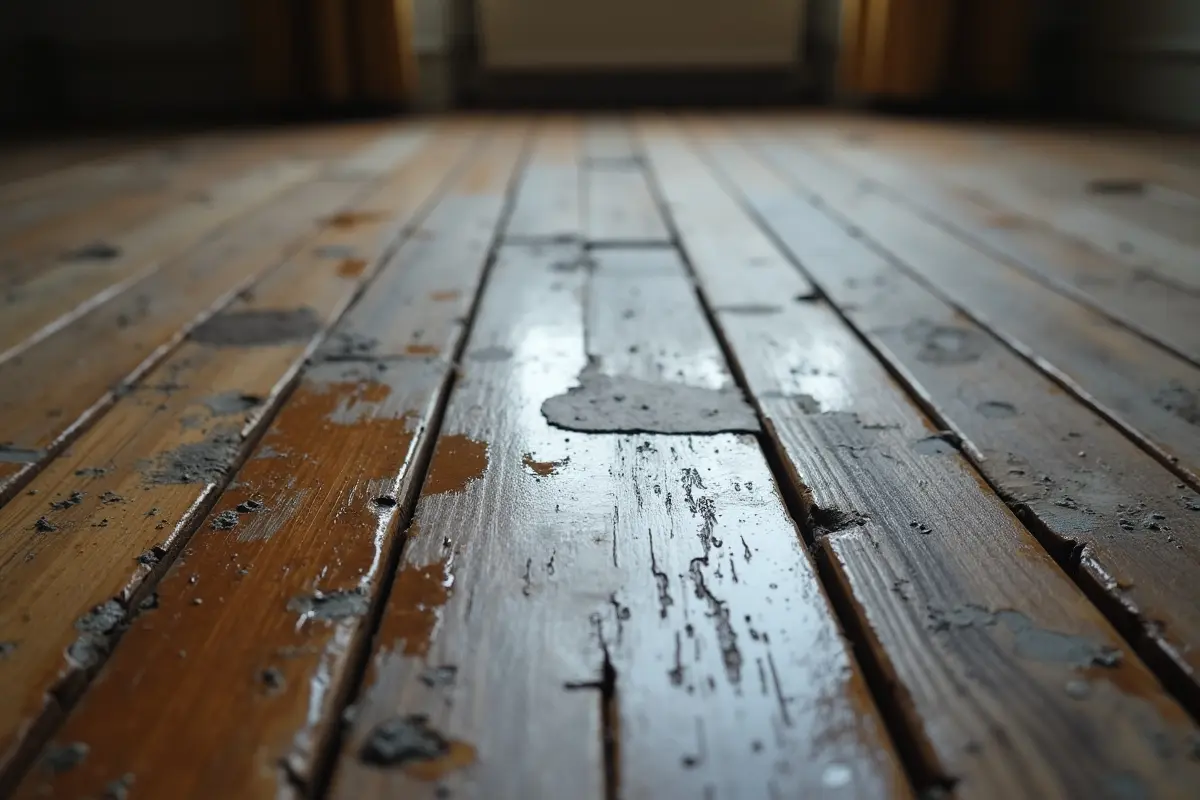
The crawlspace may be out of sight, but it is still part of the home. Heat, odors, moisture, and air can move through gaps around ducts, wiring, plumbing, and framing, affecting the rooms above. When persistent dampness is present, crawlspace encapsulation is one approach homeowners may consider as part of a larger moisture-control plan.
Moisture is also an indoor air issue, not just a foundation issue. The EPA identifies temperature, moisture, and humidity as factors that can affect indoor air quality, as well as building systems such as plumbing and heating and cooling equipment.
Why Crawlspace Moisture Happens
Most crawlspace problems begin with more than one source of water. Bare soil releases water vapor, rain runoff can collect near foundation walls, and plumbing leaks may remain unnoticed for weeks. Humid outdoor air can also enter through vents or gaps and condense when it contacts cooler wood, metal ductwork, or pipes.
Look outside and below the home. Clogged gutters, short downspouts, poorly sloped soil, irrigation aimed at the foundation, and low areas that hold rainwater can all send moisture where it does not belong.
If damp conditions have allowed visible growth to develop, removing the source of water remains essential. In situations involving extensive or recurring growth, mold remediation may be needed after the moisture problem has been identified and corrected.
Signs That Deserve Attention
One symptom does not always reveal one clear cause, so avoid guessing. Instead, use warning signs as a reason to inspect conditions more closely.
- Persistent musty odors, especially on the first floor.
- Wet soil, puddles, water stains, or damp foundation walls.
- Sagging, fallen, or discolored insulation.
- Rust on metal supports, fasteners, ductwork, or HVAC components.
- Soft, darkened, or visibly damaged wood.
- Uneven floors, new squeaks, or floors that feel unusually cold.
- Indoor humidity remains high despite normal cooling operation.
How Dampness Affects Comfort
A wet crawlspace can make a home feel colder in winter and stickier in summer. Damp insulation loses effectiveness, while unsealed openings allow humid or unconditioned air to reach the floor system. A family may keep lowering the thermostat because the first floor feels uncomfortable, even though damp insulation and air leaks below the floor are the real problem.
The Role of Ground Coverage and Sealing
A vapor barrier is a continuous ground cover designed to slow water vapor moving upward from exposed soil. It is most effective when seams are sealed, edges are secured, and the material is fitted around piers, walls, and penetrations. Federal building-science guidance explains that a continuous vapor barrier helps limit moisture entering from the soil and can reduce the conditions that contribute to mold and wood rot.
However, sealing the ground alone is not a cure for every problem. New material should not be installed over standing water, active seepage, or a hidden plumbing leak. Those sources need attention first.
Start With the Water Source
- Repair active plumbing leaks and check nearby insulation for damage.
- Clean gutters and direct downspouts away from the foundation.
- Confirm that soil slopes away from the house where practical.
- Inspect for seepage or pooling after a heavy rain.
- Remove standing water and allow wet materials to dry before enclosing the space.
- Track humidity after repairs to confirm that conditions are improving.
Drainage, Humidity, and Airflow Work Together
Different homes need different solutions. Improving exterior drainage may be enough in one case, while another home may need a sump pump, dehumidification, sealed duct connections, controlled ventilation, or a combination of measures. A fan is not automatically the answer. In warm, humid weather, bringing outdoor air into a cooler crawlspace can increase condensation rather than reduce it.
The goal is to manage bulk water, water vapor, air movement, and temperature as one system. Changes should be based on the home’s layout, local climate, existing ventilation design, and observed moisture conditions.
Insulation and Air-Sealing Basics
Some homes are insulated at the floor above the crawlspace, while others are insulated along foundation walls. The better approach depends on whether the space is vented, enclosed, or connected to conditioned air. Whatever the design, insulation should stay dry, fit securely, and remain accessible for inspection.
- Seal gaps around pipes, wires, ducts, and access doors.
- Do not cover wet wood, damp insulation, or active leaks.
- Use materials suitable for below-floor conditions.
- Keep plumbing and electrical components accessible for service.
- Follow local code requirements and product instructions.
A Safer Crawlspace Checkup
Choose a dry day, bring reliable lighting, and wear gloves, eye protection, long sleeves, and appropriate respiratory protection when conditions call for it. Check for odors, pests, water marks, loose ground covering, condensation on pipes, and damaged insulation. A small humidity meter can help identify patterns when readings are recorded over time.
Leave the space and seek qualified help if you encounter unsafe wiring, sewage, unstable framing, extensive visible mold, or water that repeatedly returns after storms. A complete assessment should consider drainage, foundation walls, floor supports, plumbing, insulation, electrical components, and air pathways before repairs are recommended.
A Simple Seasonal Maintenance Plan
- Spring: Clean gutters and inspect for water entry after storms.
- Summer: Watch for humidity, condensation, and musty odors.
- Fall: Check downspouts, grading, access doors, and exposed pipes.
- Winter: Look for plumbing leaks, cold floors, and changes in comfort.
- After major rain: Check for puddles, damp walls, and new odors.
Conclusion
A healthier crawlspace is not necessarily a perfect crawlspace. It should be dry, accessible, and easy to monitor. Addressing runoff, promptly repairing leaks, monitoring humidity, and protecting materials from dampness can help preserve comfort and reduce the risk of more extensive repairs over time.